Explore evidence-based insights on health, brain science, mental wellbeing, sleep, nutrition, mindfulness, healthy living, longevity, and medical research. Discover clear, practical, science-informed knowledge to support better health, mental clarity, wellbeing, and a longer, healthier life.
Mindful Pulse Spotlight: Science, Health & Longevity
Medical & Safety Disclaimer: The neurological and physiological information discussed in this article is for educational and self-improvement purposes only. It is not intended to diagnose, treat, or cure any sleep disorders. If you experience severe nightmares, chronic insomnia, sleep apnea, or overwhelming daytime fatigue, please consult a licensed healthcare professional or a certified sleep specialist. Why Do Some People Remember Vivid Dreams While Others Don’t? (REM Sleep Density Explained) 🌌🧠 Your ability to remember vivid dreams is deeply connected to your brain's unique neurochemistry and how often you briefly wake up during the night. Key Points & Quick Takeaways 📌 Everybody dreams every single night, but brain wiring determines who retains those memories upon waking. REM sleep density refers to the intensity and frequency of rapid eye movements, which correlates directly with highl...
Get link
Facebook
X
Pinterest
Email
Other Apps
Sleep and Memory: How Your Brain Processes Information Overnight
Get link
Facebook
X
Pinterest
Email
Other Apps
Disclaimer
This article is for general informational and educational purposes only.
It is not a substitute for individualized professional medical advice, diagnosis, or treatment.
Always consult a qualified healthcare provider for questions regarding sleep disorders, memory issues, or overall cognitive health.
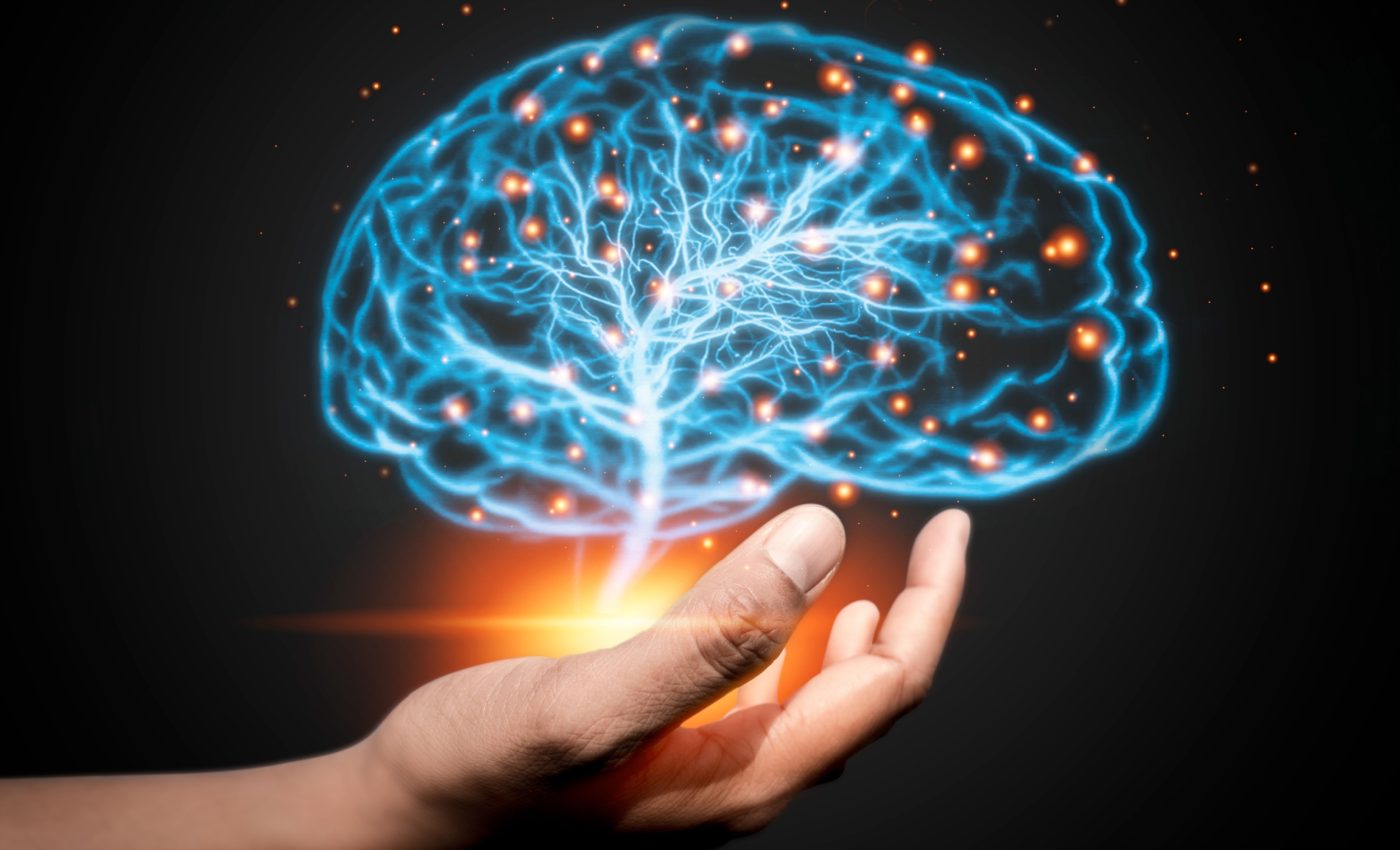
While we sleep, our brains remain highly active, forming neural connections that solidify our daily experiences.
Have you ever woken up after a good night's rest and suddenly found the solution to a problem you were struggling with the day before? This is not magic; it is biology at work. While your body rests, your brain remains highly active, sorting, organizing, and storing the information you encountered throughout the day.
Understanding the connection between sleep and memory is essential for protecting your long-term cognitive health. Sleep acts as the crucial biological mechanism that transforms fleeting daily experiences into stable, long-lasting memories.
Key Takeaways
Sleep acts as a "save button" for your brain, stabilizing newly learned information.
Different stages of sleep process different types of memory, from facts to emotional experiences.
The brain transfers information from the hippocampus to the neocortex for long-term storage overnight.
Chronic sleep deprivation severely limits your ability to learn new things and recall past events.
The Science of Memory Consolidation
To understand how sleep impacts memory, we first need to look at how memory works. The process of creating and storing a memory involves three main steps:
Encoding: Learning or experiencing something new.
Consolidation: Stabilizing and strengthening the memory trace.
Retrieval: Accessing the stored information when you need it.
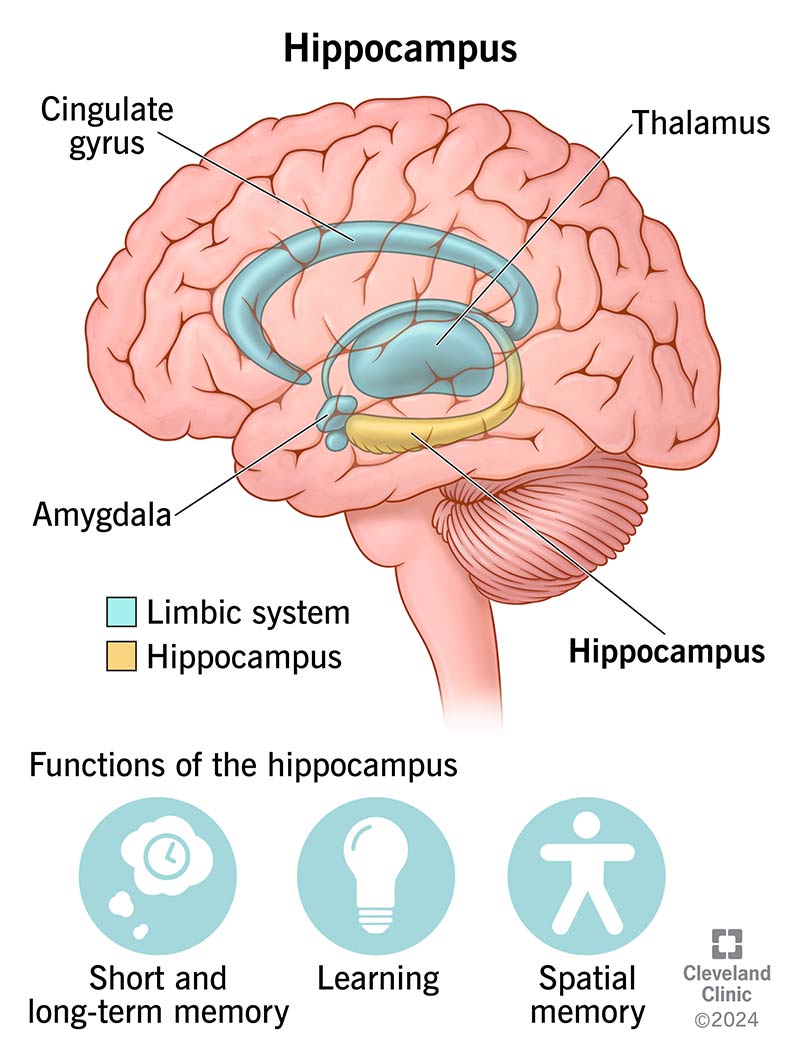
While encoding and retrieval happen while you are awake, memory consolidation primarily occurs while you sleep. During the day, your brain's temporary storage center—the hippocampus—collects new data. At night, this data is replayed and transferred to the neocortex, which acts as the brain's permanent hard drive.
The hippocampus plays a crucial role in short-term memory and learning before information is transferred for permanent storage.
The Stages of Sleep and Their Role in Memory
A typical night of sleep is divided into multiple cycles, each containing different sleep stages. These stages play distinct roles in organizing your mind.
Non-REM Slow-Wave Sleep (Deep Sleep)
During the deepest stages of Non-REM sleep, your brain waves slow down significantly. This stage is critical for consolidating declarative memories—which include facts, names, dates, and concepts. If you are studying for a test or learning a new language, deep sleep is what ensures the information sticks.
REM Sleep (Rapid Eye Movement)
REM sleep usually occurs later in the sleep cycle and is associated with vivid dreaming. This stage is vital for processing procedural memories (how to do things, like riding a bike or playing an instrument) and emotional memories. REM sleep helps your brain link new experiences to older memories, fostering creativity and problem-solving skills.
What Happens When We Lack Sleep?
Failing to get enough quality sleep disrupts the entire memory consolidation process. The consequences of sleep deprivation can be immediate and cumulative.
Short-Term Effects
Long-Term Risks
Difficulty focusing and encoding new information.
Increased risk of cognitive decline as you age.
Increased forgetfulness and "brain fog."
Potential buildup of amyloid plaques, associated with Alzheimer's.
Reduced ability to regulate emotional responses.
Chronic impairment in problem-solving and critical thinking.
Tips for Better Sleep and Sharper Memory
To optimize your brain's overnight processing power, you need both adequate duration (generally 7 to 9 hours for adults) and high sleep quality. Consider these evidence-based habits:
Maintain a consistent schedule: Go to bed and wake up at the same time every day to regulate your circadian rhythm.
Limit blue light exposure: Screens emit blue light that suppresses melatonin production. Turn off devices at least an hour before bed.
Optimize your environment: Keep your bedroom dark, quiet, and cool (around 65°F or 18°C) to support deep sleep.
Avoid late-day stimulants: Caffeine and heavy meals close to bedtime can prevent you from entering the restorative stages of slow-wave sleep.
Exercise regularly: Daily physical activity is proven to increase the amount of deep sleep you get each night.
Article Summary
Your brain processes, organizes, and stores the day's events while you sleep.
Deep sleep solidifies facts and concepts, while REM sleep processes emotional and skill-based memories.
Without adequate sleep, the brain cannot transfer short-term knowledge into long-term storage.
Prioritizing sleep hygiene is one of the most effective ways to protect memory and cognitive longevity.
Author / Editorial
Written and reviewed by the Editorial Team at Mindful Pulse. We are dedicated to providing accurate, research-backed information on science, health, and longevity. Our goal is to translate complex scientific concepts into practical, everyday knowledge that empowers you to live a healthier life.
Sources & Further Reading
National Institutes of Health (NIH) - Brain Basics: Understanding Sleep.
Division of Sleep Medicine at Harvard Medical School - Sleep, Learning, and Memory.
Nature Reviews Neuroscience - The memory function of sleep.
Mindful Pulse USA Editorial Disclaimer: The information provided in this article is for educational and informational purposes only. While talking to oneself is a healthy and normal cognitive function, hearing external voices that are not your own or experiencing distressing auditory hallucinations can be a sign of a neurological or mental health condition. Always consult a qualified healthcare professional with specific mental health questions. Why do we naturally talk to ourselves when we are stressed or trying to focus? (External self-talk and emotional regulation). Self-talk linked with brain focus and emotional regulation Quick Takeaways Muttering to yourself when stressed or searching for something is not a sign of cognitive decline; it is a sign of high executive functioning. Vocalizing your thoughts forces the brain to slow down and process information sequentially, preven...
How to Improve Memory and Cognitive Function Medical & Safety Disclaimer: The information provided in this article is for educational purposes only and is not a substitute for professional medical advice, diagnosis, or treatment. Always consult with a qualified healthcare provider regarding any sudden memory loss, cognitive changes, or before starting new dietary and exercise programs. How to Improve Memory and Cognitive Function Building mental agility is an active, lifelong practice that strengthens neural pathways. Few things are as deeply frustrating as a failing memory. Whether it is forgetting the name of a familiar colleague, losing your keys for the third time in a week, or struggling to absorb new information, these moments can trigger a quiet anxiety. We rely on our memories to construct our identities and navigate our daily lives. When that starts to feel fuzzy, it is entirely normal to worry. How...
Mindful Pulse USA Editorial Disclaimer: The information provided in this article is for educational and informational purposes only. It is not intended as a substitute for professional medical advice, cognitive evaluation, diagnosis, or treatment. Always seek the advice of a qualified healthcare professional with any questions regarding memory, cognitive health, or a medical condition. Why do we forget what we were about to do the moment we enter a new room? (The 'Doorway Effect' in psychology). Crossing a physical threshold acts as an "event boundary" for our working memory. Quick Takeaways The "Doorway Effect" is a well-documented psychological phenomenon where changing physical locations causes temporary memory loss. It happens because the brain treats physical doorways as "event boundaries," essentially clearing out short...



Comments
Post a Comment