Explore evidence-based insights on health, brain science, mental wellbeing, sleep, nutrition, mindfulness, healthy living, longevity, and medical research. Discover clear, practical, science-informed knowledge to support better health, mental clarity, wellbeing, and a longer, healthier life.
Mindful Pulse Spotlight: Science, Health & Longevity
Medical & Safety Disclaimer: The neurological and physiological information discussed in this article is for educational and self-improvement purposes only. It is not intended to diagnose, treat, or cure any sleep disorders. If you experience severe nightmares, chronic insomnia, sleep apnea, or overwhelming daytime fatigue, please consult a licensed healthcare professional or a certified sleep specialist. Why Do Some People Remember Vivid Dreams While Others Don’t? (REM Sleep Density Explained) 🌌🧠 Your ability to remember vivid dreams is deeply connected to your brain's unique neurochemistry and how often you briefly wake up during the night. Key Points & Quick Takeaways 📌 Everybody dreams every single night, but brain wiring determines who retains those memories upon waking. REM sleep density refers to the intensity and frequency of rapid eye movements, which correlates directly with highl...
Get link
Facebook
X
Pinterest
Email
Other Apps
What Is Stress? How Stress Affects the Brain and Body
Get link
Facebook
X
Pinterest
Email
Other Apps
Medical/Safety Disclaimer: The information provided in this article is for educational and informational purposes only. It does not constitute medical advice, diagnosis, or treatment. Always consult with a qualified healthcare professional regarding any medical condition, physical symptoms, or before making significant changes to your health routine.
What Is Stress? How Stress Affects the Brain and Body
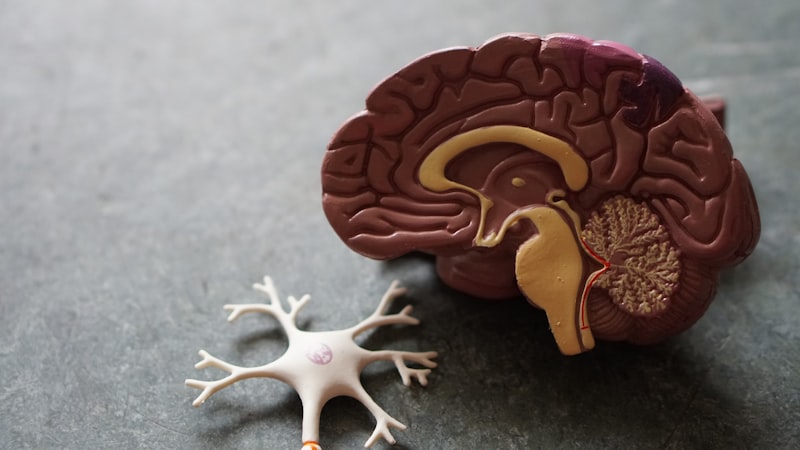
The brain acts as the central command center during a stress response.
We often talk about stress as a feeling—a sense of being overwhelmed by work, relationships, or the daily demands of life. But stress is much more than a fleeting emotion. It is a highly coordinated, full-body physiological response deeply rooted in our biology, designed entirely to keep us alive.
When you face a perceived threat, a complex cascade of hormones alters how your brain and organs function. In short bursts, this reaction can save your life or help you find the focus needed to meet a critical deadline. However, when this internal alarm system stays on for weeks or months, it can take a serious, measurable toll on your physical and mental health.
Key Points / Quick Takeaways
It starts in the brain: The amygdala acts as your brain's alarm system, instantly triggering the fight-or-flight response.
Hormonal cascade: Stress prompts the adrenal glands to flood your system with adrenaline and cortisol, the primary stress hormones.
Acute vs. Chronic: Short-term stress can be a helpful survival tool, but chronic, ongoing stress can lead to heart disease, digestive issues, and weakened immunity.
You have a "brake" system: The parasympathetic nervous system can be actively engaged through deep breathing and relaxation to counter the stress response.
Article Objective / What You Will Learn
In this article, you will learn the exact biological mechanisms behind stress, including how your brain and body communicate during a perceived threat. We will explore the scientific evidence detailing the crucial difference between acute and chronic stress, the physical impact of long-term stress on vital organs, and actionable, evidence-based ways to safely manage your body's stress response.
The Anatomy of the Stress Response: How It Starts
According to Harvard Health, the stress response begins in the brain before you are even fully aware of what is happening. When you encounter a stressor—whether it is an unrealistic work deadline or a car swerving into your lane—your eyes and ears send immediate sensory information to the amygdala.
The Amygdala: Your Brain's Alarm System
The amygdala is a small structure in the brain responsible for emotional processing. When it interprets images or sounds as dangerous, it instantly sends a distress signal to the hypothalamus, which functions as the central command center for your body's autonomic nervous system.
The autonomic nervous system controls involuntary functions like breathing, blood pressure, and heartbeat. It operates through two main components:
The Sympathetic Nervous System: This acts like the body's "gas pedal," triggering the fight-or-flight response and providing a sudden burst of energy.
The Parasympathetic Nervous System: This acts like the "brakes," promoting the "rest and digest" response that calms the body down after the danger has successfully passed.
The Role of Adrenaline and Cortisol
Once the sympathetic nervous system is engaged, the adrenal glands (located on top of your kidneys) immediately pump out epinephrine, commonly known as adrenaline. Adrenaline causes your heart to beat faster, pushes blood to your muscles and vital organs, and widens the airways in your lungs so you can take in more oxygen.
If the brain continues to perceive danger, the body releases a second wave of hormones through the HPA (hypothalamus-pituitary-adrenal) axis, resulting in the release of cortisol. Cortisol increases glucose (sugar) in your bloodstream to keep your brain and muscles fueled. Simultaneously, it curbs functions that would be nonessential in a life-or-death situation—such as suppressing the digestive system, reproductive system, and standard growth processes.
Acute vs. Chronic Stress
Not all stress is inherently bad. The National Institute of Mental Health (NIMH) notes that in the short term, stress can be highly beneficial. This is known as acute stress.
Acute stress comes and goes quickly. It is what you feel when you ride a rollercoaster or have a sudden, brief argument. Once the event ends, cortisol and adrenaline levels rapidly drop, your heart rate slows down, and your body returns to its baseline state without lasting damage.
Chronic stress, on the other hand, occurs when stressors continue for an extended period without relief. Daily pressures from demanding jobs, financial struggles, or long-term relationship problems can keep the fight-or-flight system turned on for weeks or even months. Your body is essentially acting as if it is under constant, unending physical threat.
How Chronic Stress Affects the Physical Body
When the stress response fails to turn off, the constant flood of hormones takes a severe toll on the physical body. Research from the American Psychological Association (APA) and the Mayo Clinic highlights several major systems heavily impacted by chronic stress:
1. The Cardiovascular System
Chronic stress keeps your heart rate elevated and your blood vessels constricted. Over time, this constant strain can lead to high blood pressure (hypertension), significantly increasing the risk of cardiovascular disease, heart attacks, and stroke.
2. The Immune System
While acute stress can temporarily boost immunity to help heal immediate physical wounds, chronic stress severely depresses the immune system. Elevated cortisol levels alter immune system responses and increase total-body inflammation, making you much more vulnerable to common infections and slowing down your ability to recover from illnesses.
3. The Digestive System
Because the fight-or-flight response actively diverts energy away from digestion, chronic stress can cause severe stomach upset. It can lead to acid reflux, nausea, diarrhea, and constipation. Over time, long-term stress can contribute to or significantly worsen conditions like irritable bowel syndrome (IBS).
4. The Musculoskeletal System
When you are stressed, your muscles naturally tense up as a reflex to protect themselves from injury. When stress is constant, muscles remain tight, leading to tension headaches, migraines, jaw clenching, and chronic neck or back pain.
Practical Takeaways: Managing the Stress Response
While you cannot completely eliminate stress from your life, you can learn to control how your body biologically responds to it. The key is to consciously activate your parasympathetic nervous system. Here are evidence-based ways to actively manage your stress response:
Deep Breathing: Taking slow, intentional deep breaths forces your body to breathe slower. The extra oxygen sends a physical message to your brain to calm down, directly counteracting the sympathetic nervous system's "gas pedal."
Physical Activity: Exercise helps lower cortisol levels and releases endorphins, which act as natural mood elevators. The APA recommends regular movement to help the body metabolize excess stress hormones.
Mindfulness and Meditation: Practices like meditation and yoga help train the brain to stay grounded in the present moment, actively preventing the amygdala from overreacting to perceived future threats.
Social Support: Staying connected with supportive friends and family members can buffer the effects of stress and promote the release of oxytocin, a hormone that induces relaxation and counteracts cortisol.
Common Questions (FAQ)
What is the main stress hormone?
Cortisol is considered the primary stress hormone. While adrenaline initiates the immediate, explosive fight-or-flight response, cortisol is what sustains the body on high alert by increasing blood sugar and altering immune and digestive functions.
Can stress make you gain weight?
Yes. Elevated cortisol levels can increase your appetite and cause your body to store more fat, particularly around the abdomen. Additionally, people often cope with high stress levels by eating comfort foods that are high in sugar and fat.
What is the difference between stress and anxiety?
According to the APA, stress is typically caused by an external trigger (such as a difficult work deadline or an argument), whereas anxiety is characterized by persistent, excessive worries that do not go away even in the complete absence of a stressor.
Sources & Further Reading
The information in this article is based on scientific research and clinical guidelines from leading health organizations. For further reading, explore the verified sources below:
Stress is a deeply ingrained physiological reaction driven by the brain's amygdala and the sudden release of adrenaline and cortisol.
The fight-or-flight response is essential for short-term human survival but becomes highly damaging when activated continuously by modern-day pressures.
Chronic stress negatively impacts the cardiovascular, immune, and digestive systems, significantly increasing the risk of serious disease.
You can mitigate the physical damage of stress by actively engaging the body's built-in relaxation response through intentional deep breathing, regular exercise, and mindfulness.
Conclusion
Stress is an unavoidable part of the human experience, rooted deeply in our biology to keep us safe from harm. While the immediate rush of adrenaline and cortisol helps us navigate acute challenges, allowing these systems to run indefinitely can silently erode our physical and mental health. By understanding exactly how stress affects the brain and body, you can take proactive, evidence-based steps to activate your body's natural relaxation mechanisms. Managing stress is not about eliminating pressure entirely; it is about actively teaching your nervous system how to safely return to a state of balance.
About Mindful Pulse USA
At Mindful Pulse USA, we value evidence, accuracy, transparency, and reader-first education. Our editorial team is dedicated to providing thoroughly researched, scientifically grounded information to help you make informed decisions about your health and wellness. This article has been independently researched and verified against leading clinical guidelines.
Mindful Pulse USA Editorial Disclaimer: The information provided in this article is for educational and informational purposes only. While talking to oneself is a healthy and normal cognitive function, hearing external voices that are not your own or experiencing distressing auditory hallucinations can be a sign of a neurological or mental health condition. Always consult a qualified healthcare professional with specific mental health questions. Why do we naturally talk to ourselves when we are stressed or trying to focus? (External self-talk and emotional regulation). Self-talk linked with brain focus and emotional regulation Quick Takeaways Muttering to yourself when stressed or searching for something is not a sign of cognitive decline; it is a sign of high executive functioning. Vocalizing your thoughts forces the brain to slow down and process information sequentially, preven...
How to Improve Memory and Cognitive Function Medical & Safety Disclaimer: The information provided in this article is for educational purposes only and is not a substitute for professional medical advice, diagnosis, or treatment. Always consult with a qualified healthcare provider regarding any sudden memory loss, cognitive changes, or before starting new dietary and exercise programs. How to Improve Memory and Cognitive Function Building mental agility is an active, lifelong practice that strengthens neural pathways. Few things are as deeply frustrating as a failing memory. Whether it is forgetting the name of a familiar colleague, losing your keys for the third time in a week, or struggling to absorb new information, these moments can trigger a quiet anxiety. We rely on our memories to construct our identities and navigate our daily lives. When that starts to feel fuzzy, it is entirely normal to worry. How...
Mindful Pulse USA Editorial Disclaimer: The information provided in this article is for educational and informational purposes only. It is not intended as a substitute for professional medical advice, cognitive evaluation, diagnosis, or treatment. Always seek the advice of a qualified healthcare professional with any questions regarding memory, cognitive health, or a medical condition. Why do we forget what we were about to do the moment we enter a new room? (The 'Doorway Effect' in psychology). Crossing a physical threshold acts as an "event boundary" for our working memory. Quick Takeaways The "Doorway Effect" is a well-documented psychological phenomenon where changing physical locations causes temporary memory loss. It happens because the brain treats physical doorways as "event boundaries," essentially clearing out short...



Comments
Post a Comment