Brain Fog: What Causes It and What Does Science Say?
- This article is for general informational and educational purposes only.
- It is not a substitute for individualized professional medical advice, diagnosis, or treatment.
- Always consult a qualified healthcare provider regarding any health concerns or before making changes to your wellness routine.
Brain Fog: What Causes It and What Does Science Say?
If you have ever felt like your thoughts are wading through molasses, you are not alone. Brain fog is a widespread experience characterized by a frustrating lack of mental clarity, poor concentration, and mental fatigue. While it is not a medical diagnosis in itself, it is a significant symptom that can stem from various lifestyle and health factors.
Understanding what happens in the brain when we experience this cognitive blunting is the first step toward finding relief. By exploring the science behind memory, focus, and neural health, we can uncover evidence-based strategies to protect our mental performance.
- Brain fog is a symptom, not a disease, often involving poor concentration and mental fatigue.
- Neuroinflammation and hormonal imbalances are key scientific mechanisms linked to cognitive fuzziness.
- Chronic stress, sleep deprivation, and nutritional deficiencies are among the most common root causes.
- Lifestyle adjustments, such as improving sleep architecture and managing stress, may help restore mental clarity.
What Exactly is Brain Fog?
Though not a formal scientific term, "brain fog" accurately describes a temporary decline in cognitive function. People experiencing this often report a combination of distinct symptoms that interfere with daily tasks and overall productivity.
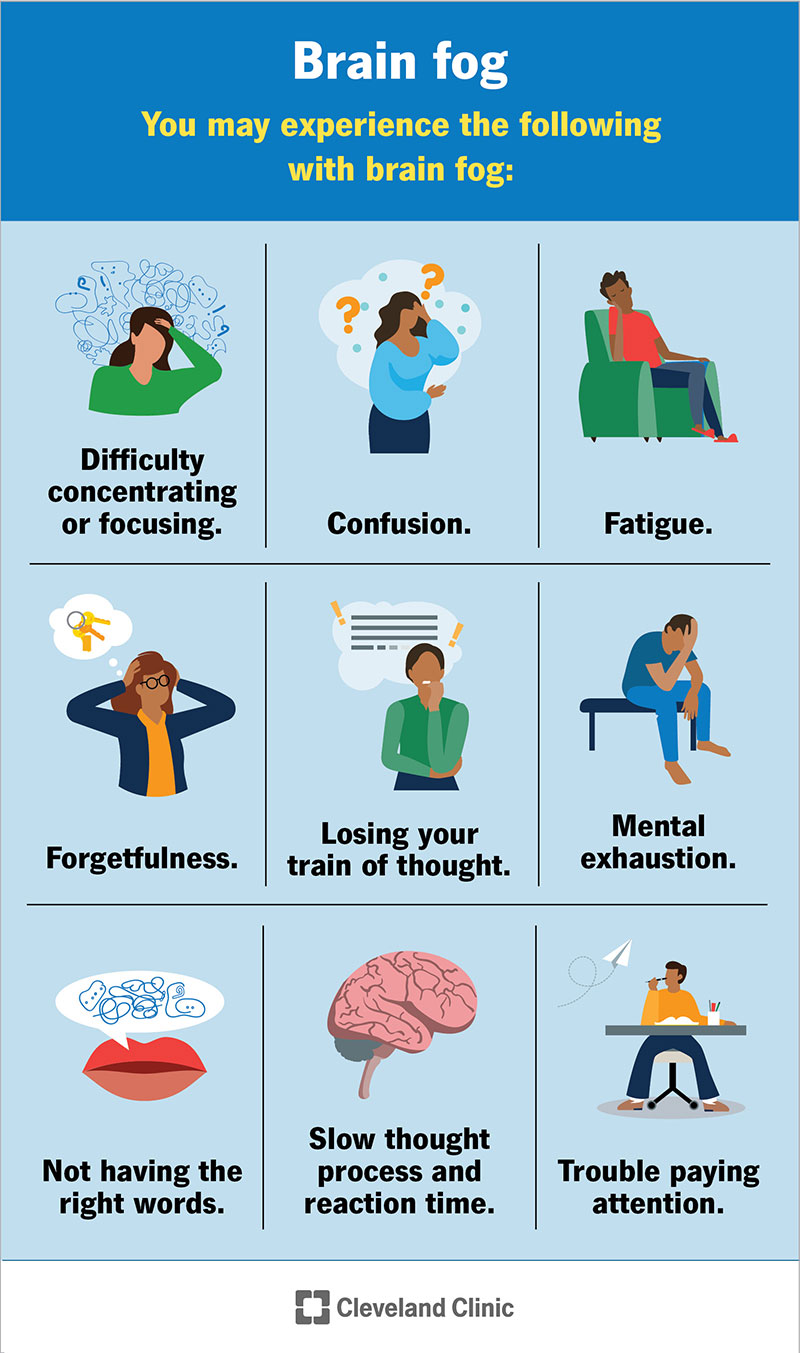
Common signs of this mental fatigue include:
- Reduced attention span: Struggling to focus on a single task for a standard duration.
- Memory lapses: Frequently forgetting daily details or losing your train of thought.
- Slow processing speed: Feeling as though it takes longer to understand information or solve problems.
- Word-finding difficulties: Knowing what you want to say but being unable to recall the specific word.
The Science Behind Mental Fatigue
To understand why our thinking becomes cloudy, it helps to look at the brain's biological processes. Research suggests that cognitive clarity relies on the seamless communication between neurons across various brain networks. When these networks are disrupted, the result is often cognitive fatigue.

Several physiological mechanisms are believed to contribute to this disruption:
- Neuroinflammation: Chronic, low-grade inflammation in the body can cross the blood-brain barrier. This inflammation can interfere with normal neural signaling, leading to a feeling of sluggishness.
- Hormonal Fluctuations: Changes in hormones like estrogen and progesterone, or elevated levels of the stress hormone cortisol, can temporarily alter how the brain processes and stores information.
- Neurotransmitter Imbalance: Dopamine and serotonin are vital for focus and mood regulation. Depletion of these chemical messengers can directly impact motivation and clarity.
Primary Causes of Brain Fog
Because brain fog is a symptom rather than a singular condition, its triggers are highly individualized. However, science points to several common factors that frequently disrupt cognitive function.
| Factor | How It Affects the Brain |
|---|---|
| Sleep Deprivation | Disrupts sleep architecture, preventing the brain from clearing metabolic waste (via the glymphatic system) and consolidating memories. |
| Chronic Stress | Keeps cortisol levels elevated, which can exhaust neural reserves and impair the hippocampus (the brain's memory center). |
| Poor Nutrition | Diets high in refined sugars and lacking essential nutrients (like Vitamin B12 and Omega-3s) can contribute to oxidative stress and neuroinflammation. |
| Medical Conditions | Conditions like thyroid disorders, autoimmune diseases, or viral infections can trigger systemic fatigue and cognitive symptoms. |
Evidence-Based Ways to Clear the Fog
While there is no magic pill, adopting healthy habits can support optimal brain function and help reduce cognitive fuzziness. Evidence suggests that prioritizing lifestyle adjustments may yield significant improvements.
- Prioritize Quality Sleep: Aim for 7 to 9 hours of uninterrupted rest. Stick to a consistent sleep schedule to support your natural circadian rhythm and allow the brain to perform essential maintenance.
- Manage Stress Levels: Incorporate relaxation techniques such as mindfulness, deep breathing, or yoga to help regulate cortisol production and calm the nervous system.
- Eat a Brain-Healthy Diet: Focus on whole foods rich in antioxidants and healthy fats. Omega-3 fatty acids, found in fatty fish and walnuts, are structurally important for brain cell membranes.
- Stay Physically Active: Regular aerobic exercise increases blood flow to the brain, delivering essential oxygen and nutrients while promoting the release of brain-derived neurotrophic factor (BDNF), which supports neural growth.
- Stay Hydrated: Even mild dehydration can impair cognitive performance and mood. Ensure you are drinking adequate water throughout the day.
- Brain fog is a common experience involving memory lapses, poor focus, and mental fatigue.
- Underlying mechanisms often involve neuroinflammation and disrupted neural communication.
- Common culprits include lack of sleep, chronic stress, and nutritional imbalances.
- Improving sleep hygiene, managing stress, and maintaining a nutrient-rich diet are effective, science-backed strategies for supporting mental clarity.
Frequently Asked Questions (FAQ)
Can dehydration cause brain fog?
Yes. The brain is highly sensitive to changes in hydration. Even a minor drop in fluid levels can lead to decreased concentration, slower reaction times, and mood changes.
How long does brain fog usually last?
The duration depends entirely on the underlying cause. If it is due to a single night of poor sleep, it may resolve in a day. If it is related to chronic stress or an underlying health issue, it may persist until the root cause is addressed.
When should I see a doctor for mental fatigue?
You should consult a healthcare provider if your symptoms are severe, persistently interfere with your daily life, worsen over time, or are accompanied by other physical symptoms. A professional can help rule out underlying medical conditions.
Editorial & Author Information
Mindful Pulse Editorial Team
This article was carefully developed by our dedicated health and science writers. We are committed to providing accessible, evidence-based information on brain health and wellness. Our content undergoes rigorous review to ensure scientific accuracy and practical value for our readers.
Sources & Further Reading
- National Institutes of Health (NIH): Research on Cognitive Fatigue and Neuroinflammation.
- Harvard Medical School: The impact of sleep and stress on cognitive function.
- Peer-reviewed neurocognitive studies on the role of nutrition and physical activity in maintaining mental clarity.


Comments
Post a Comment